
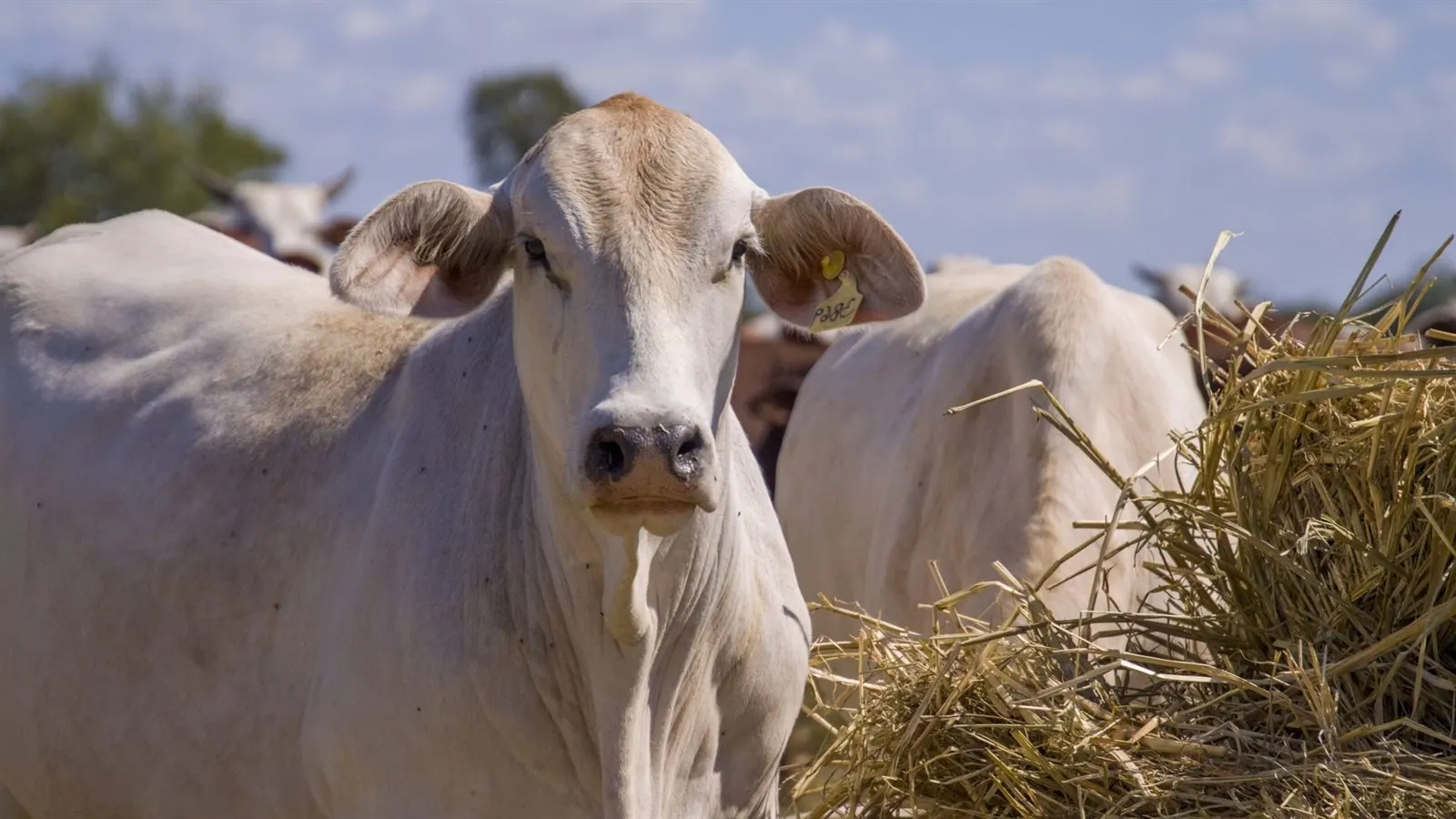
Paraguayan cattle ranching attracts capital for good reason: the country exports more beef and at a better price, the rules for the foreign investor are clear, and the tax burden is low. But the way the investment is structured matters as much as the business itself. Choosing the wrong structure does not ruin the returns: it ruins the whole operation.
The question that sets the order
Is the capital raised from identified people who negotiate terms, or is it offered openly to the general public?
If it is the latter, the instrument may fall under securities-market regulation and require registration with the Securities Superintendency of the Central Bank of Paraguay. Many schemes that circulate as a "capital-return contract" never carried out that analysis, and that is the risk the investor ends up taking on without realising it.
The most valuable seal of guarantee on a cattle investment is not the percentage promised: it is knowing which animals, with what numbers, back your contribution.
The four usual structures
1. Private risk-sharing contract with collateral
Two identified parties agree to finance a specific batch. The backing is a registered pledge over particular animals. It is quick and transparent, and it works for limited operations with investors who review the contract with their own lawyer. It is not a way to raise capital on a mass scale.
2. Cattle investment trust
Under Law 921/1996, a trustee manages the cattle or the land within an autonomous estate, separate from the company's own assets. The investors are beneficiaries. It provides real asset protection: if the operator runs into trouble, the assets held in trust are not mixed up with its own.
3. Closed-end agribusiness investment fund
A manager authorised by the SNV issues units, publishes a prospectus and reports periodically. It is the right route when you are seeking scale and broad participation. It carries more cost and more requirements, and that is exactly the trade-off for being able to make a public offering.
4. Special-purpose company
A company created for the project, with the investors as shareholders. Simple to understand and to audit, with the corporate, accounting and tax obligations that apply to any Paraguayan company.
What the law says about your money
- Law 117/1991: equal treatment for the national and the foreign investor, protection of property, and free remittance of profits and capital.
- Law 5542/2015: for investments that qualify and are approved in advance, a guarantee of tax invariability for terms that can reach ten years.
- Law 6380/2019: Corporate Income Tax (IRE) of 10% on net profit; VAT of 5% on the sale of live animals.
The five things you must always ask for
- The complete contract, before the closing meeting and with time for your lawyer to read it.
- The detail of the collateral: what is pledged, where it is registered and how it is released.
- The identification of the assets: a list of animals with their ear tags, not a lump total.
- The frequency and content of the report: real weighings, mortality included.
- The bad scenario in writing: what happens if the cycle closes below expectations.
If any of the five causes discomfort on the other side of the table, that discomfort is already the answer.
Our position
We work with private agreements between identified parties, with a registered pledge over the animals in the batch and a contract reviewed by both sides. We do not raise capital from the general public by that route. When a project needs more scale, it is structured through a trust or a regulated fund, with whatever authorisations apply.
Notice: this article is informational and does not constitute legal, tax or financial advice, nor a public offering of securities. Consult professionals licensed in Paraguay before deciding.