
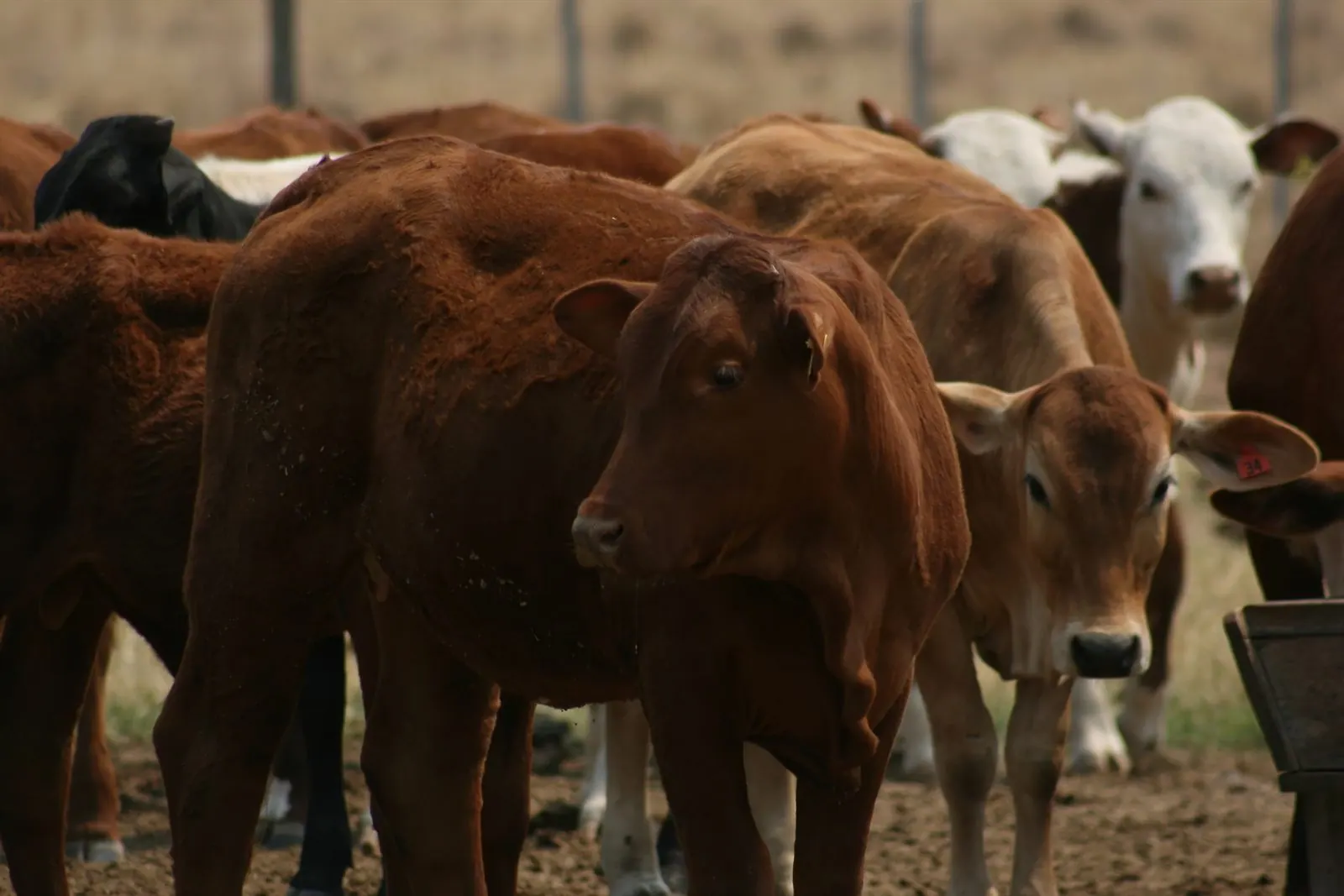
A health calendar on the shed wall doesn't vaccinate anyone. The difference between an establishment that's in order and one that just thinks it is shows up the day SENACSA asks for the record, the bank asks for the collateral, or the buyer asks for traceability: that's when the paperwork either shows up, or it doesn't.
Animal health status is the sector's biggest asset
Paraguay exports beef because it holds an internationally recognized animal health status against foot-and-mouth disease, with vaccination. That recognition is what opens the door to demanding markets —the same ones paying more per ton today than five years ago—. It isn't an administrative formality: it's the base condition for everything else this site explains about prices and exports.
Losing that status, even from a localized outbreak or from weak vaccination coverage in one area, doesn't close a market for months: it closes it for years. That's why SENACSA runs national campaigns on a fixed calendar, and why taking part isn't optional for any establishment with cattle, small or large.
The foot-and-mouth calendar: fixed rounds, zero margin
Foot-and-mouth vaccination is carried out in national rounds within the year, and every bovine and buffalo has to be vaccinated within the window SENACSA sets for that round, with no exception by category. A batch left outside the window isn't an administrative detail: it's a hole in the coverage of the whole area.
- Full herd vaccination within the period set by the campaign, category by category.
- Individual record: ear tag, application date, vaccine batch and the person responsible for applying it.
- Valid transfer permit (DTA), consistent with the health record, before moving a single animal.
- Cold chain for the vaccine, kept intact right up to the moment it's applied in the chute.
Brucellosis: the other leg, slower and quieter
Foot-and-mouth is acute and visible; brucellosis isn't. It's a chronic disease that lowers herd fertility —abortions, repeat services— and can go undiagnosed for years if nobody tests for it. Control has two fronts: vaccinating the designated heifer calves within the correct age window, and periodic serological testing of breeding females, culling any reactor animals.
A herd with up-to-date brucellosis control is exactly what a bank or a foreign buyer wants to see documented, far more than the verbal promise that "everything's fine."
Animal health isn't an expense: it's the passport of the kilo that later gets exported.
What a well-run establishment doesn't delegate
- Its own calendar, cross-checked against SENACSA's official dates, not a generic date pulled from memory.
- Vaccination records by animal and by batch —not a spreadsheet that says "everything got vaccinated" with no date or batch.
- Dated, signed evidence, ready before a buyer, a bank or SENACSA itself asks for it.
- Follow-up on brucellosis reactors with a decision made on each one, not filed away for later.
The cost of getting it wrong
A vaccination outside the calendar or a record that can't be produced carries a cost that's rarely calculated until it shows up: a rejected export batch, an establishment under a movement restriction while the situation is sorted out, or a lender losing confidence after asking for the health record as part of the collateral. In a herd that's worth more per head today than five years ago, each of those costs weighs more than it used to.
The Paraguayan market exports more money today with fewer animals because the kilo leaving the country meets a health standard recognized abroad. That standard is held up establishment by establishment, not in the sector's talking points: in the record each one can produce the day it's asked for.